

A global shift towards plant-based foods more efficiently uses crops and natural resources to nourish people and cool the climate.
RESEARCH & ANALYSIS


PROGRAMS & PARTNERSHIPS
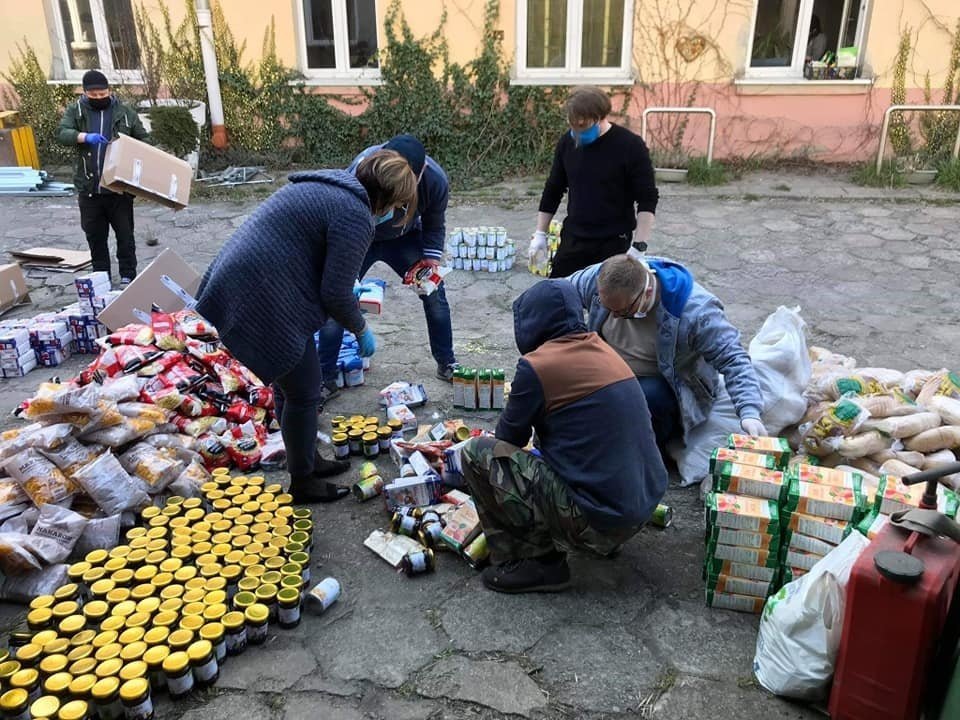
Disaster Relief Fund: Ukraine Support
Our Ukraine Relief Fund is helping people and animals in and around Ukraine with free plant-based feeding programs, refugee assistance, and animal rescue support.
LEARN MORE
(photo: Food Not Bombs - Poland)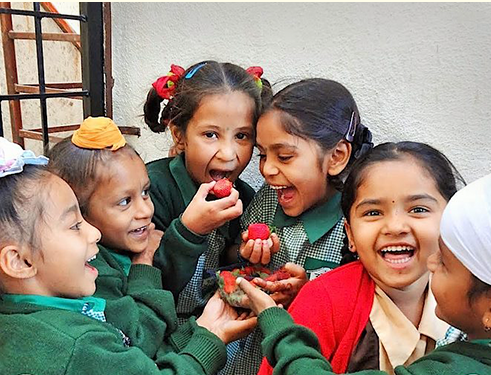
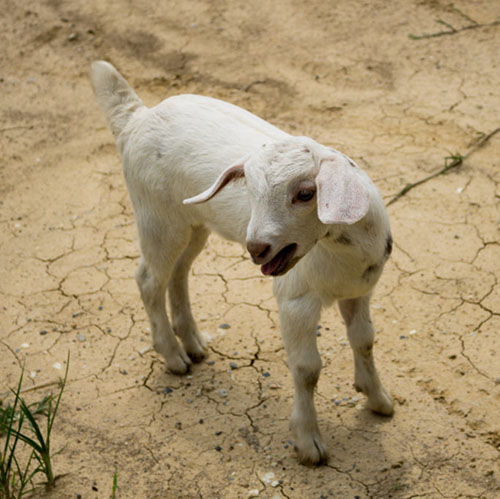
Plants-4-Hunger: Gifts With Heart
Our Plants-4-Hunger gift-donation program is a plant-based hunger relief alternative to Heifer International and other live animal campaigns.
LEARN MORE
(photo: Ashraya Initiative for Children - India)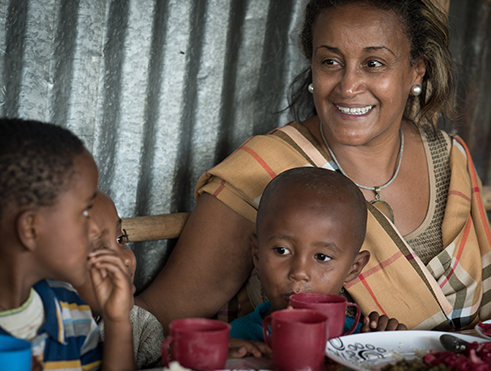
Global Grants and Partnerships
Our Global Grants strengthen plant-based feeding and farming programs, education, and advocacy. Since 2009, we've awarded 3,000+ grants ($15M+) in 95 countries.
LEARN MORE
(photo: International Fund for Africa - Ethiopia)
Feed More With Less:
- crop waste
- deforestation
- resource depletion
- climate destruction
- pollution (land/water/air)
- suffering (people/animals)